A lush, Functional, and Inviting oasis
Hi there! Welcome to your personal plant palette. This is a selection of plants that I have curated for your consideration. Each choice is deeply intentional, and the overall collection aims to reflect your desires for a garden.
Many of the plants on this list have unique, strange, and fascinating floral structures — take some time in spring to feast your eyes.
Several species have long histories as medicinal plants, ideal for a functional herb garden that brings high-quality essential plant compounds to your soaps and other homemade herbal products.
My overall vision with this palette is to create a cool, lush garden that creates an inviting place to host guests, lounge in a hammock, and immerse yourself in your personal slice of nature. Three species of large shrubs to small trees will create a canopy that brings dappled shade to the garden, supporting lush, green foliage and reducing evaporation from the soil. All three can be kept a comfortable size with good pruning, and will mature into the backbone of your garden.
I hope you enjoy looking through this list. Mark, save, and email your selections. Please note: selections are only saved once you hit “email” or “copy”.
All images belong to the creative commons.
Best viewed on desktop.
Small Steps Native Landscaping
A California native plant palette for your garden
Every plant here is chosen for what it does for you, your guests, and wildlife.
How to use this list: Check the box next to anything you'd like included in your design, and jot down notes on placement or must-haves. Bring any questions to our next conversation — there's no wrong answer here.


Common Yarrow
Achillea millefolium
Finely divided, fern-like gray-green foliage forms low, aromatic mounded clumps topped with flat clusters of small white flowers. Its airy texture and long bloom window make it a dependable filler for meadows and borders, and it draws in predatory and parasitic insects that provide natural pest control, all on very little water once established.
Why it's herePollinator and beneficial-insect support, erosion control, soil-building.
flowers may–september
A California garden classic, yarrow is hardy anywhere it gets enough light. Give it a bit more water and it turns into an aggressive weed-competitor, holding its brightest blooms and lushest foliage all season.
Western Columbine
Aquilegia formosa
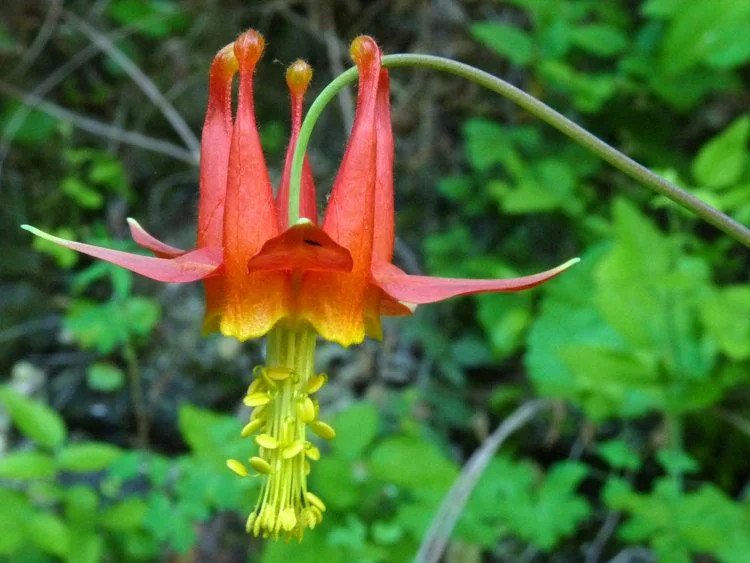
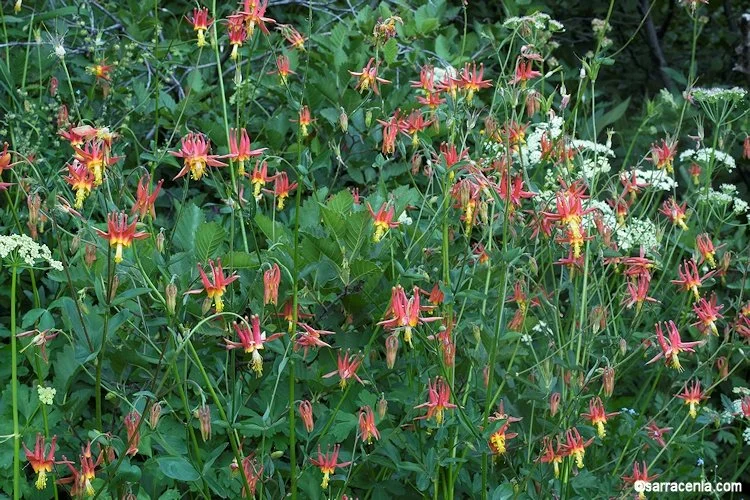
An upright, airy perennial with a bushy clump of delicate, blue-green, lobed foliage. Nodding flowers pair red-orange sepals and backward-curving spurs with yellow petal blades for a two-toned, firework-like bloom. It is an airy, colorful accent for woodland gardens and shaded borders that hummingbirds seek out.
Why it's herePremier hummingbird-support plant, also pollen/nectar for native bees and butterflies.
flowers april–august
Another flower with striking geometry, western columbine carries delicate, nectar-filled spurs that hummingbirds seek out. Its bright red-and-yellow blooms nod above the foliage, adding flashes of color through dense understories.

California Pipevine (Dutchman's Pipe)
Aristolochia californica
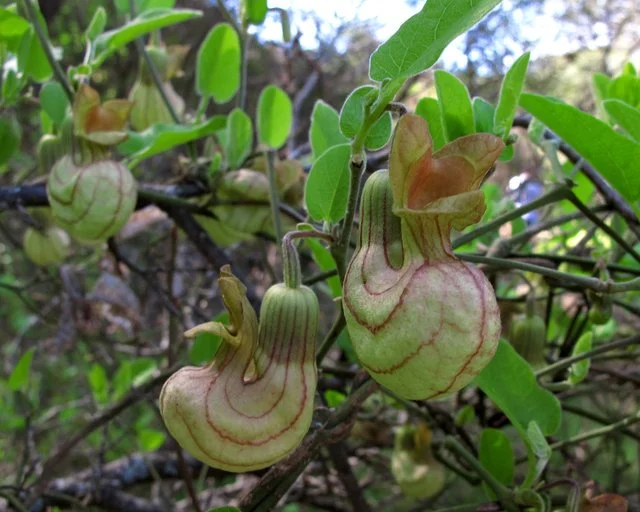
A deciduous, twining vine with distinctive cream-and-purple, pipe-shaped flowers that carry an unusual scent, followed by winged seed pods that hang decoratively into fall. Heart-shaped green leaves emerge after bloom and clothe the vine through the growing season. It's a vigorous climber easily trained onto a trellis, fence, or arbor. It is the sole host plant for the pipevine swallowtail butterfly.
Why it's hereThe only larval host plant for the pipevine swallowtail butterfly; supports fly-pollination; dense cover/screening on a trellis.
flowers february–may, seed pods persist through august
Talk about a unique flower! This native vine's pipe-shaped blooms temporarily trap (never harm) carrion-feeding insects just long enough to coat them in pollen. It's happiest doing background work, covering a wall or fence while quietly hosting the stunning pipevine swallowtail butterfly.


California Mugwort
Artemisia douglasiana
An aromatic, rhizomatous perennial herb with lobed leaves; soft green on top, silvery-white and felted underneath. The leaves flash silver as their two-toned appearance dances in the wind. Inconspicuous whitish-green flowers bloom in loose summer clusters, and the plant spreads quickly as a colony-forming groundcover for moist swales, streambanks, and part-shade beds. Valued for its toughness, its traditional medicinal use, and its role as a larval host for numerous native moths and butterflies.
Why it's hereLarval host for up to 30 species of native butterflies and moths; erosion control and streambank stabilization; traditional medicinal/ceremonial herb.
foliage march–october, flowers june–october
A California native with a long tradition of Indigenous medicinal and ceremonial use, mugwort is a staple in both restoration plantings and backyard gardens.

Showy Milkweed
Asclepias speciosa
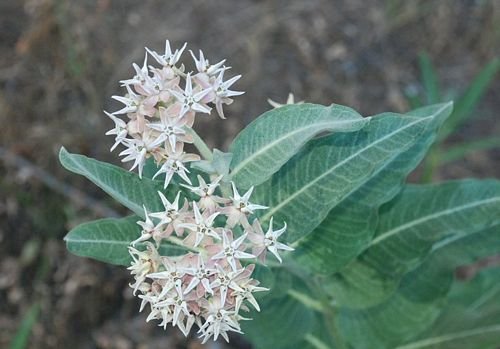
An upright perennial with hairy gray-green stems and broad leaves that ooze a milky white sap when cut. Rounded clusters of fragrant, star-shaped pink-to-mauve flowers bloom from late spring through summer, followed by large, warty seed pods that split open to release silky, wind-borne seeds. One of the single most valuable pollinator plants any California native garden can include.
Why it's hereCritical monarch butterfly larval host plant and major pollinator nectar source.
flowers may–august, seed pods split open september–october
Who doesn't want monarchs? Any native Asclepias works — just skip tropical milkweed (A. curassavica), which can disrupt their migration. Aphids are a normal milkweed visitor and are best left to ladybugs, several of which are drawn in by other plants on this list.
Pot Marigold
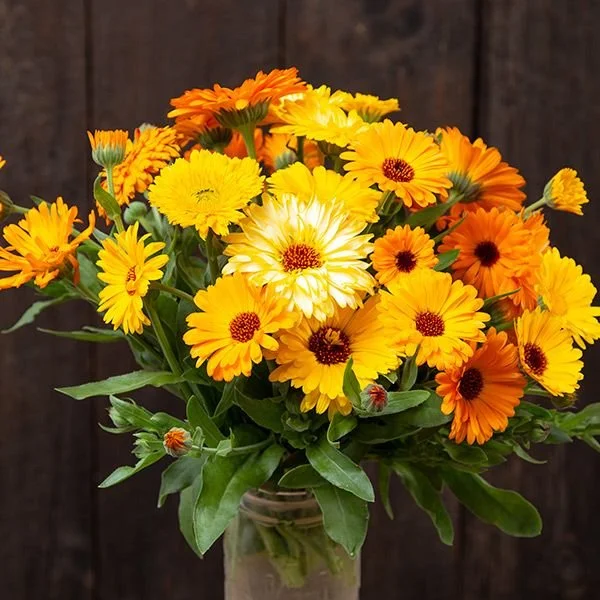
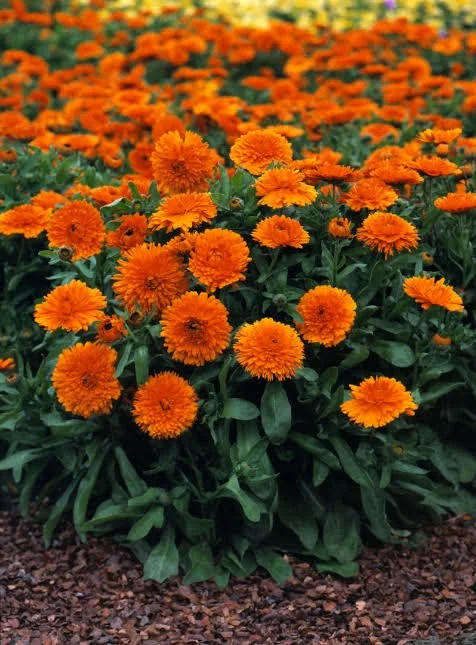
Calendula officinalis
A cheerful, fast-growing annual with aromatic, lance-shaped leaves and bright daisy-like flowers in golden yellow, orange, and apricot, often with darker centers. It forms a bushy, mounding clump and blooms prolifically over a long season, useful for cutting gardens, pollinator support, as an aphid trap crop, and for its edible, anti-inflammatory petals.
Why it's herePollinator and beneficial-insect support; companion-plant "trap crop" for aphids, whiteflies, and thrips; culinary and medicinal herb.
flowers may–november, peaking june and october
A magnet for pollinators and herbalists alike; scatter the seeds liberally and let it fill in.


Western Morning Glory (Chaparral False Bindweed)
Calystegia occidentalis
A hairy-stemmed, herbaceous perennial vine with small arrowhead-shaped leaves and funnel-shaped flowers in white, cream, or soft pink, sometimes with yellow throats. It scrambles and twines over shrubs, rocks, or a fence, dying back to its rootstock each year. A fast, low-water groundcover or fence-cover with a long, bee- and butterfly-friendly bloom season.
Why it's herePollinator support; erosion control on dry slopes and banks; naturalizing groundcover/hedgerow filler.
flowers may–july
This native vine is a reliable, fast filler. Plant it where you want a fence or an empty patch covered quickly.

Clustered Field Sedge
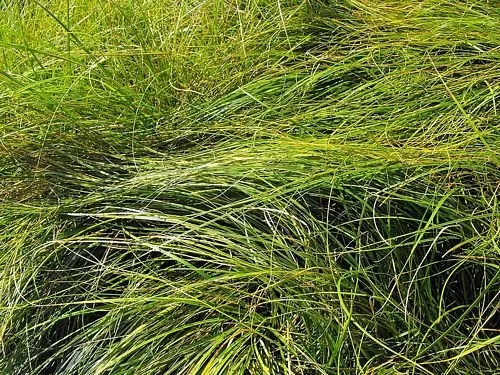
Carex praegracilis
A grass-like, rhizomatous sedge that forms dense, spreading clumps of narrow green blades. Often used as a low-water lawn alternative or a meadow groundcover.
Why it's hereProvides larval host habitat for skipper butterflies; seed heads offer food for birds; stabilizes soil and can be mowed as a lawn alternative.
flower spikes march–april, green foliage year-round
A lush, low-water grass alternative, great for a damp spot under a drying line. A bit of summer water keeps it vibrant, and it holds up well to moderate foot traffic, staying soft and lush year-round.


Western Redbud
Cercis occidentalis
A deciduous, multi-trunked large shrub or small tree with an open, spreading canopy. Rounded, heart-shaped leaves stay blue-green through the growing season before turning gold in fall. Magenta to rose-pink, pea-shaped flowers cover the bare branches in early spring, followed by flat reddish-brown seedpods that hang on into winter: a striking, drought-tolerant specimen.
Why it's herePollinator support, cut-flower use, fire resistant.
flowers february–april, seedpods persist through winter
Another structural piece of the garden, redbud enriches the soil by fixing nitrogen, shades younger plants beneath it, and cuts beautifully for arrangements. It's a spectacular centerpiece through spring and summer, and its bare winter branches open up good views of the birds feeding on the toyon nearby.

Yerba Buena
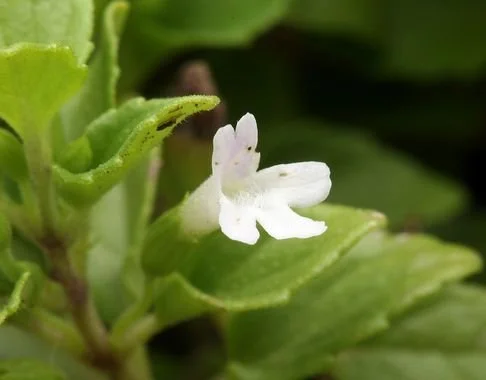
Clinopodium douglasii
A delicate, mat-forming evergreen groundcover with tiny, rounded, mint-scented leaves on slender trailing stems that root as they spread. Dainty white to whitish-pink flowers appear along the stems. It is a fragrant native groundcover for shade, with a long tradition as a minty tea herb and light pollinator value.
Why it's herePollinator support; fragrant low-growing groundcover for shaded understories; traditional culinary/medicinal herb.
flowers may–august
A California native with a long tradition of Indigenous medicinal and ceremonial use, yerba buena's tiny, glossy green leaves carry a bright spearmint scent whenever they're brushed.


Sticky Monkeyflower
Diplacus aurantiacus
A bushy, semi-evergreen shrub with narrow, dark green, resinous (sticky) leaves that may drop during drought stress. It bears tubular orange flowers over an unusually long season.
Why it's hereOne of the most reliable nectar sources in the native garden; strong hummingbird support.
flowers february–october (with regular water)
Another charismatic classic, sticky monkeyflower throws cheerful orange blooms for weeks on end through the heat of summer, especially with regular water. It's very drought tolerant, but don't be alarmed if it drops its leaves dramatically to ride out a dry spell: it's normal. Comes in various flower colors.

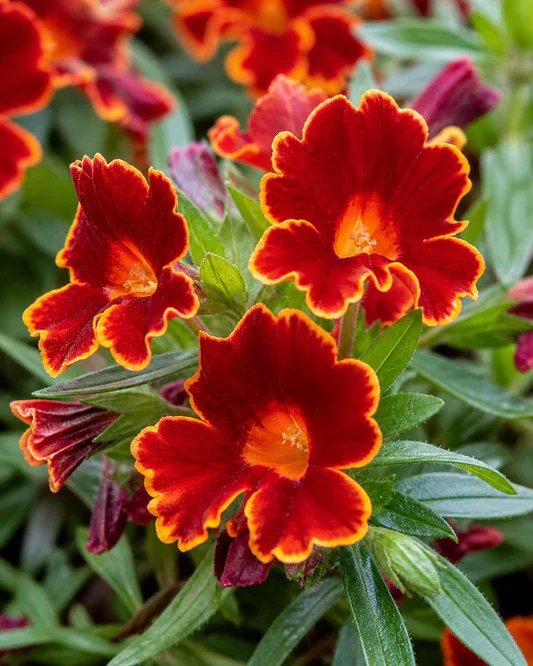
Other Monkeyflowers
Diplacus grandiflorus, Mimulus sp., etc.
Other monkeyflower species are adapted to wetter, shadier conditions, and horticultural varieties add unique flower colors and cheerful blooms to the mix. D. grandiflorus stands out with frilly, cream-white flowers.
Why it's hereExtends nectar and pollen availability for pollinators into wetter, shadier microhabitats where Diplacus aurantiacus and Eriogonum do not thrive.
bloom timing varies by species; many go summer-dormant. Generally spring to fall.
These other monkeyflowers bring different colors and adaptations for shadier or wetter spots. Nearly all go summer-dormant with low water, so if one looks like it's dying midsummer, that's just its natural response to stress, not a problem.
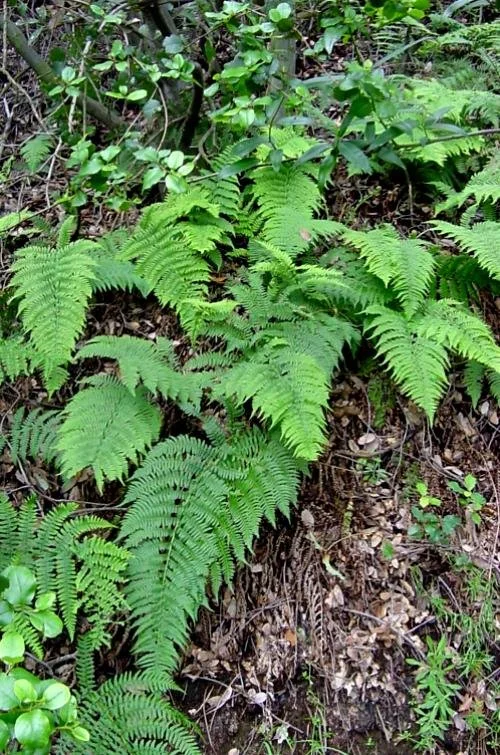

Coastal Wood Fern
Dryopteris arguta
This fern forms an upright, vase-shaped clump of leathery, dark green fronds, divided into finely toothed leaflets, with fertile fronds marked by dark brown spore dots underneath. It grows in tidy clumps that can loosely colonize over time, and its glossy texture plus unusually good drought tolerance (for a fern) make it a valuable structural groundcover for dry shade.
Why it's hereShade groundcover and weed suppression under native oak canopies; leaf litter/duff habitat for beneficial soil organisms.
evergreen structure year-round, new fronds march–may.
This native fern catches the eye and builds a lush understory, its fronds offering a cool, moist refuge for native salamanders and insects.
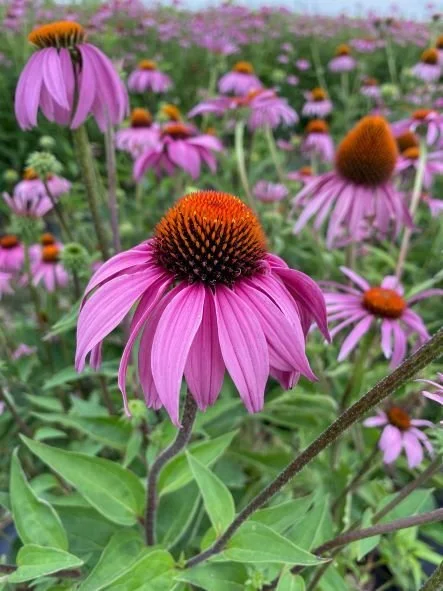
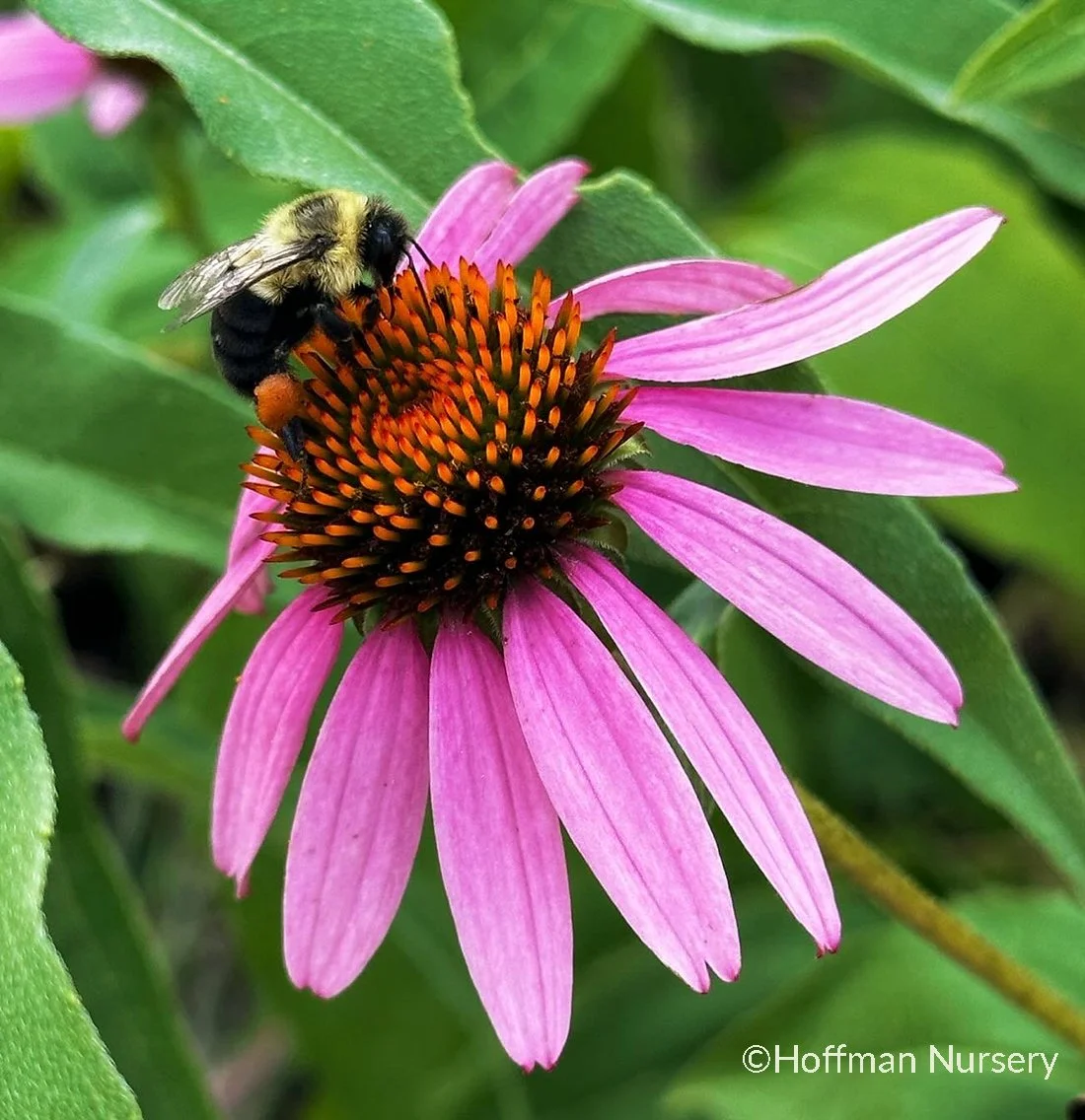
Coneflowers
Echinacea sp.
A clump-forming perennial with stiff, hairy stems and daisy-like flowers; reflexed petals ring a raised, spiny center cone. A well-known pollinator magnet, popular in both wildlife and cutting gardens.
Why it's hereExcellent nectar source for pollinators through the warm season; seed heads provide winter forage for birds.
flowers june–october, seed cones stand through winter
An iconic American plant, coneflower has a long history in Indigenous traditional medicine. Its heritage on the dry plains of eastern and central North America makes it naturally drought-tolerant and hardy.

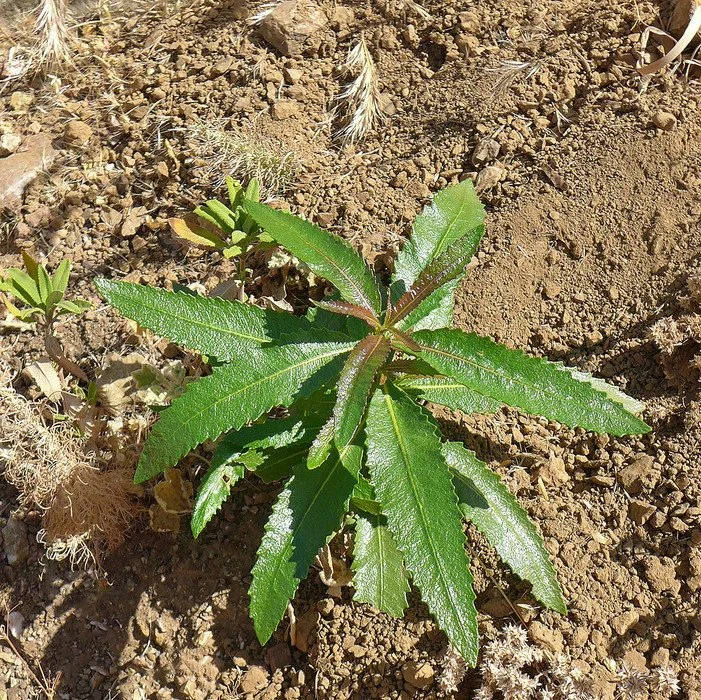
Yerba Santa
Eriodictyon californicum
An evergreen shrub with narrow, resinous, dark green leaves that have a glossy, varnished look. It bears clusters of tubular, pale lavender to white flowers and spreads by underground rhizomes to form colonies.
Why it's hereNectar source for native bees and butterflies; important larval host plant for several butterfly species; useful for erosion control on slopes.
flowers may–august
Spanish colonizers were impressed enough to name it the "Holy Herb" — yerba santa is a powerful native medicinal plant that also earns its keep with erosion control and wildlife value. If its leaves look blackened, don't worry: that's a harmless native mold, and the plant keeps producing its potent compounds regardless.
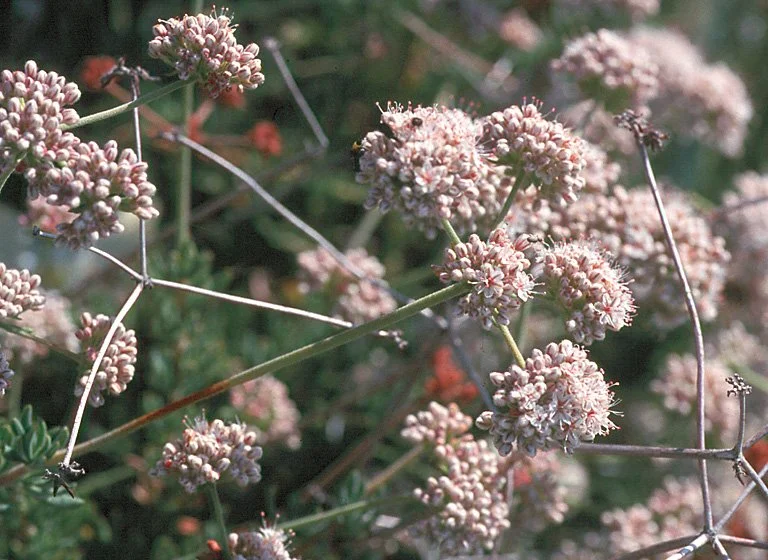

California Buckwheat
Eriogonum fasciculatum
A low, mounding evergreen shrub with small deep green to gray-green leaves rolled at the edges. Flat-topped clusters of white to pale pink flowers age to a rust brown that lingers into fall and winter, adding multi-season interest. One of California's most productive nectar sources for native bees and butterflies, and a workhorse for pollinator hedgerows and slope stabilization.
Why it's hereOne of California's top nectar sources for native bees and butterflies; slope stabilization and pollinator hedgerows.
flowers april–september (estimated), rust-red seedheads persist into winter
One of the most valuable pollinator plants in California — any Eriogonum species delights with cheerful, puffy flowers in pink, white, or yellow. The green to gray-green foliage forms an attractive basal rosette and turns a striking pink as it dries. Buckwheat draws pollinators you've never seen before: sweat bees, small beetles, and native parasitoid wasps (don't worry — they're not interested in you, just nectar and the bugs they prey on).

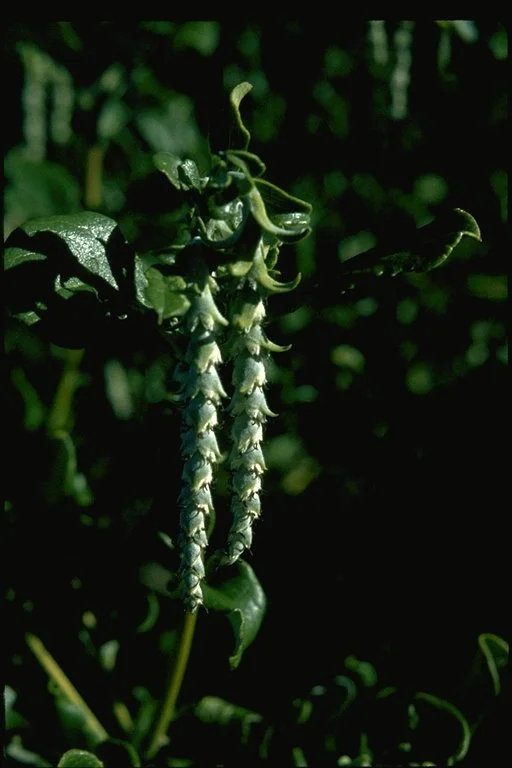
Coast Silktassel
Garrya elliptica
Garrya is dioecious — meaning each plant is either male or female. Male plants put on a show with drooping, silvery-green catkins up to a foot long, while female plants carry shorter clusters that ripen into small, grape-like purple fruit.
Why it's hereBird nesting habitat and a shady refuge for mammals and birds to hide.
catkins/flowers january–april
Garrya makes excellent bird-nesting habitat and a reliable privacy screen. Picture a hammock tucked in among a stand of these.
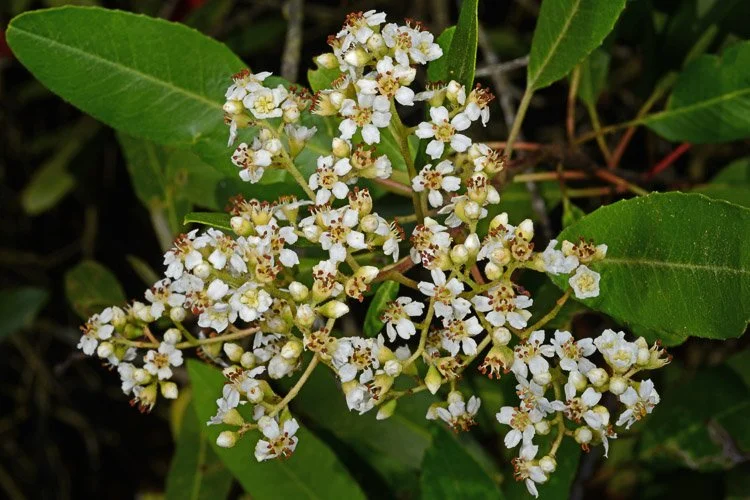

Toyon
Heteromeles arbutifolia
A dense, evergreen large shrub or small tree with a rounded, mounding form and glossy, leathery dark-green leaves held all year. Small clusters of creamy white flowers open in early summer, giving way to bright red-orange berries that stay on the plant through fall and winter.
Why it's hereWildlife food and cover; fire resistant.
flowers june–july, berries october–february
As a backbone plant, a mature toyon casts cooling shade from its evergreen canopy, creating a pleasant microclimate in the yard beneath it — and as that canopy fills in, expect the plants growing underneath to shift with the changing light. Toyon takes structural pruning well, so it's easy to keep at a comfortable size for years.

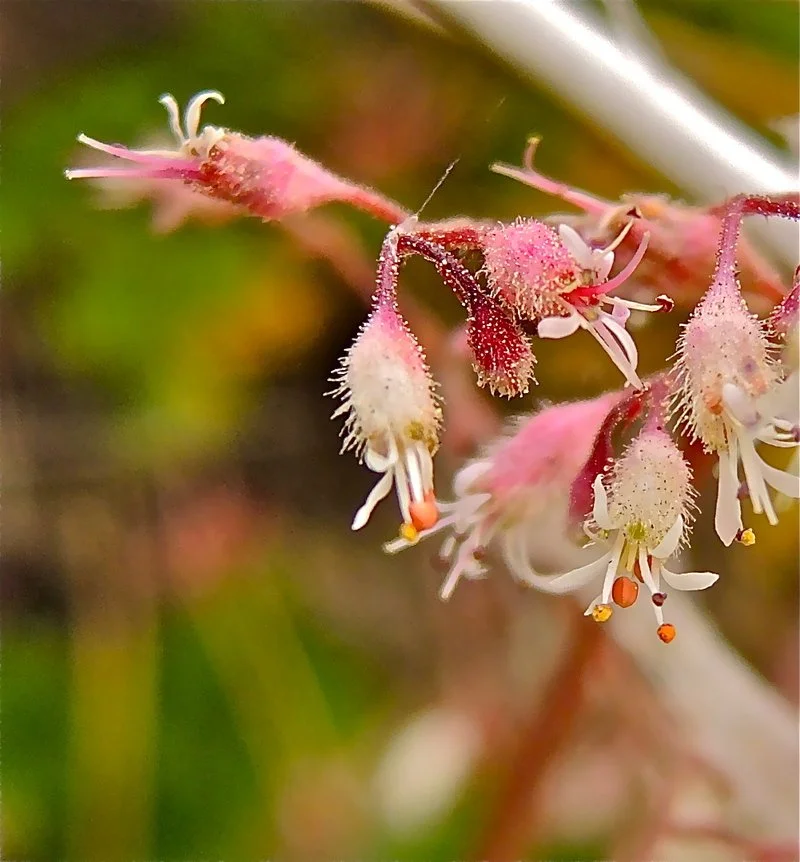
Coral Bells
Heuchera sp.
A low-growing, clump-forming perennial with rounded, lobed leaves often marbled or tinted in green, purple, or bronze, sending up airy, wiry stems topped with small bell-shaped flowers.
Why it's hereNectar source for hummingbirds and native bees; evergreen foliage provides year-round groundcover.
flowers april–july
There's a wide range of foliage patterns to choose from, so you can pick colors that build an interesting palette in your beds.


English Lavender
Lavandula angustifolia
A compact, evergreen, woody-based shrub with narrow, aromatic gray-green foliage year-round and slender flower spikes in pale-to-deep purple rising above a neat, rounded mound. Valued as a low-water, deer-resistant hedge or border plant, a strong pollinator draw, and a classic culinary and aromatic herb for cooking, sachets, and essential oils.
Why it's hereMajor pollinator support; aromatic/culinary herb; low-water hedging and erosion control on dry slopes.
flowers june–august, foliage year-round
A dry-garden classic, lavender makes the yard smell as good as it looks.

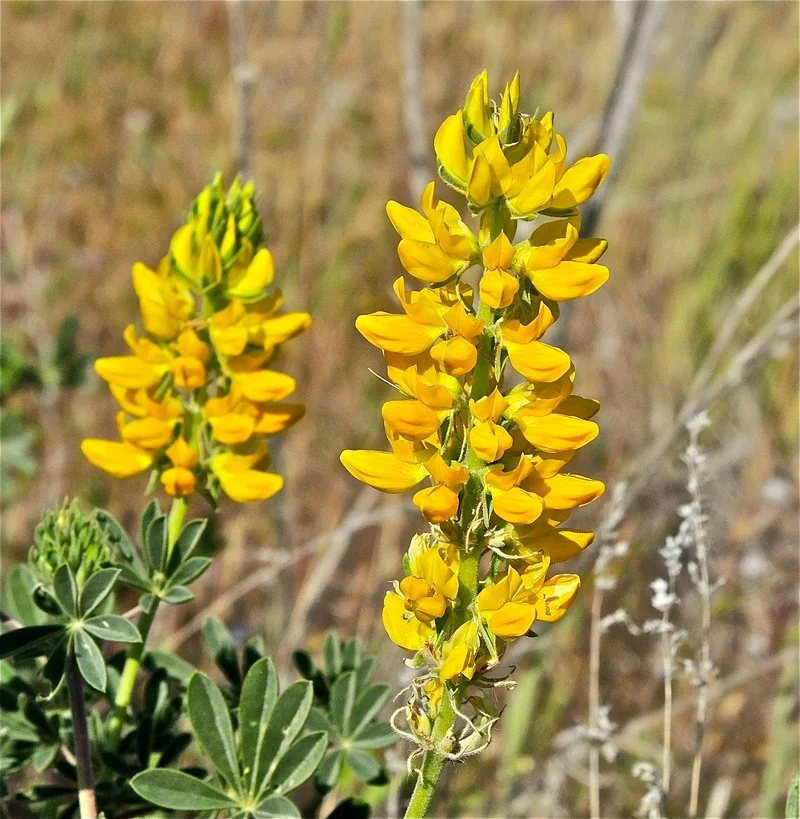
Lupin
Lupinus sp.
Herbaceous to woody-based plants with distinctive palmate leaves and upright spikes of pea-like flowers in blue, purple, white, or yellow. A California native wildflower favorite that also fixes nitrogen and enriches the soil it grows in.
Why it's hereFixes nitrogen in the soil; important nectar and pollen source for native bees, especially bumblebees; host plant for several butterfly species.
flowers march–may
Different lupin species open up different options for the garden: bush lupin (Lupinus albifrons), for example, forms small to medium silver-foliaged shrubs with tall spikes of purple flowers. As members of the pea family, all lupins fix nitrogen and enrich the surrounding soil, and their pea-like seeds feed insects and birds through summer and early fall.
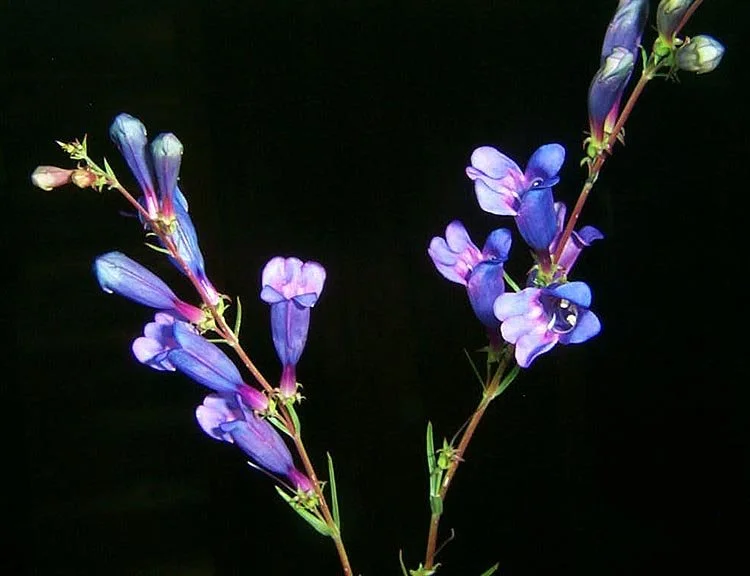
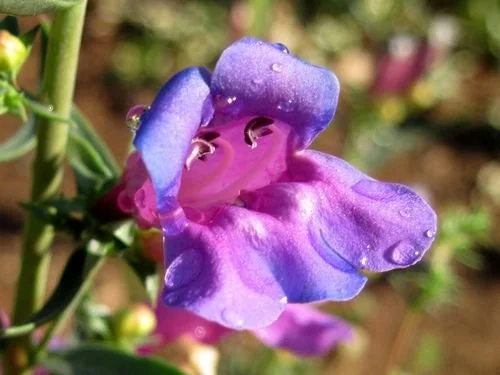
Foothill Penstemon
Penstemon heterophyllus
A woody-based, mounding subshrub with narrow gray-green leaves. Wide-mouthed, tubular flowers in electric blue to violet-purple stand in airy spikes above the foliage (a white-flowered form is also available). One of the showiest, most reliable California native perennials for a low-water hummingbird and bee garden.
Why it's herePollinator and hummingbird support, strong nectar-corridor value in dry gardens.
flowers may–august
Electric blue-purple blooms light up the understory and draw people and pollinators alike. Penstemon's naturally short lifespan works in your favor here, as it will phase itself out gracefully over 3 to 5 years as the toyon and redbud canopies fill in and shade it out.

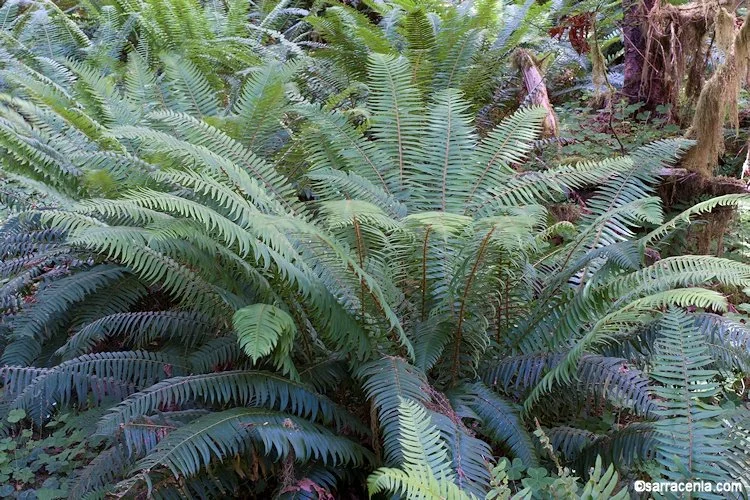
Western Sword Fern
Polystichum munitum
A classic California woodland fern with deep, glossy green fronds bearing dagger-like, toothed leaflets that arch outward from a central crown into a lush, shapely mound, bringing strong year-round structure to a shaded garden. One of the most dependable, low-maintenance evergreen groundcovers for a native landscape, prized under oaks and redwoods.
Why it's hereErosion control and weed suppression as a large-scale shade groundcover; contributes to woodland habitat structure and moisture retention.
evergreen year-round, new fiddleheads march–may (estimated)
Another vibrant fern, sword fern cools the air around it and adds a soft, textural presence to the shade garden.


Henderson's Shooting Star
Primula hendersonii
A charming, low-growing spring ephemeral that forms a rosette of smooth gray-green leaves at the base. Slender, leafless stalks carry nodding flowers with swept-back magenta-pink petals and a dark purple-and-yellow beak, giving each bloom a shooting-star silhouette. Its bloom is brief but striking.
Why it's hereEarly-season nectar and pollen source in native woodland and grassland understories.
flowers march–may, dormant the rest of the year
A member of the primrose family, this whimsical little flower's unique shape and coloring make it an eye-catching addition to any yard for the few weeks it's up.


Red/Pink-Flowering Currant
Ribes sanguineum
A deciduous shrub with lobed, maple-like leaves and hanging clusters of tubular pink to deep red flowers in early spring, followed by small blue-black berries that birds relish.
Why it's hereCritical early-season nectar source for migrating and resident hummingbirds; berries feed birds through summer.
flowers january–march, berries june–july
This fast-growing, visually stunning shrub makes an excellent privacy screen with its dense, maple-like foliage. The berries are edible, though not especially tasty.
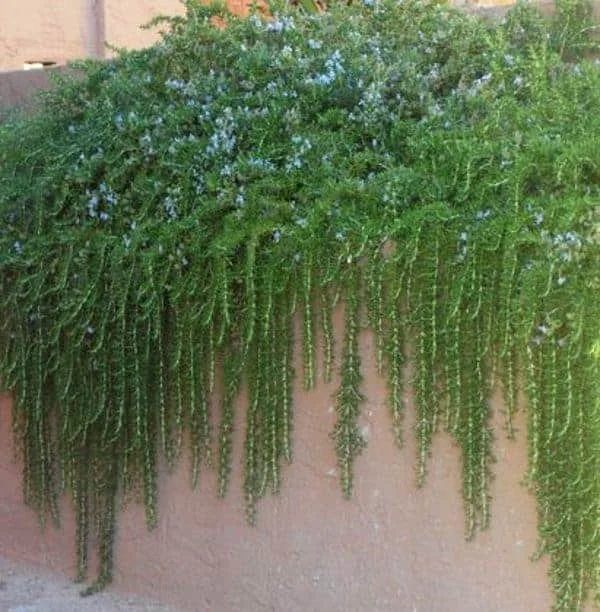
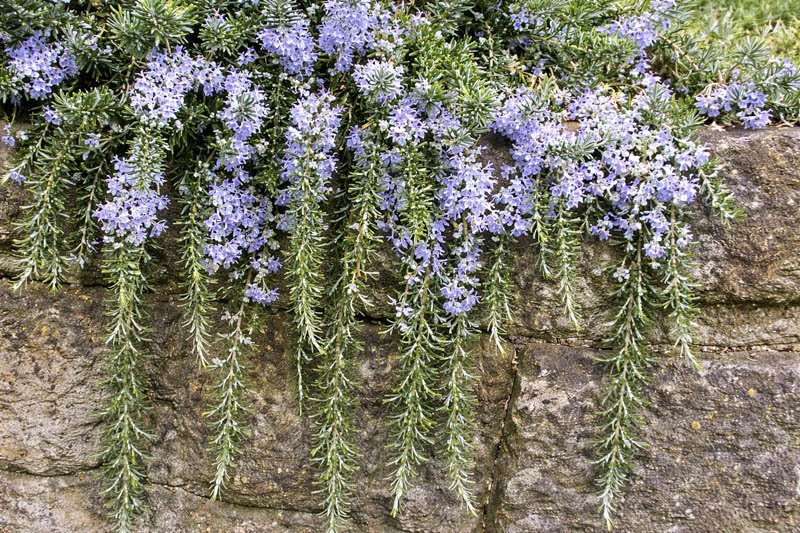
Draping Rosemary
Salvia rosmarinus var. prostratus (syn. Rosmarinus officinalis)
An aromatic evergreen shrub with needle-like gray-green foliage that stays attractive year-round, accented by small, pale blue-to-white flowers in tight clusters. This trailing form hugs walls and slopes as a low, cascading groundcover, unlike the upright forms of rosemary you may know from an herb garden. It's an excellent evergreen groundcover, a strong pollinator plant, and one of the most widely used culinary herbs in the world.
Why it's hereStrong early-season pollinator support; culinary herb; evergreen structure, hedging, and erosion control on slopes.
flowers december–april (sporadic year-round near the coast), foliage year-round
Though not native, rosemary thrives in California's climate. A little summer water keeps the foliage less bitter, which matters if you're cooking with it, and this draping form hangs beautifully over a wall or raised bed.

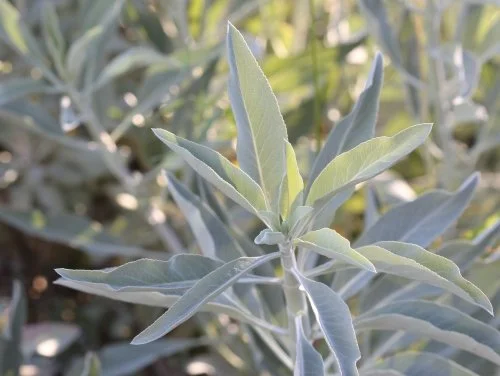
Sage
Salvia spp.
Aromatic, drought-tolerant shrubs with gray-green to silvery foliage and whorled spikes of tubular flowers in blue, purple, pink, or white. The foliage releases its fragrance when brushed or crushed.
Why it's hereHighly attractive nectar source for pollinators during bloom; aromatic foliage deters browsing.
flowers march–june (varies by species), foliage year-round
A diverse genus with hundreds of leaf and flower color options, sage is hardy, long-lived, and especially vibrant with a bit of summer water. Its flowers use a distinctive lever-like pollination mechanism found only in this genus. Some species may go dormant under drought stress.


Snowberry
Symphoricarpos sp.
A deciduous, thicket-forming shrub that spreads by suckers into colonies, with small rounded green leaves on wiry twigs. Small pink-white, bell-shaped flowers in early summer give way to clusters of showy white berries that persist into fall and winter — horticultural varieties offer pink-to-white berries in a range of statures.
Why it's hereNectar source for bees in summer; berries provide winter food for birds; dense thickets offer wildlife cover.
flowers june–july, berries october–january
Snowberry adds elegant foliage and cheerful fruit to a lush, low-water native garden. One of my personal favorites, because it's so cute.
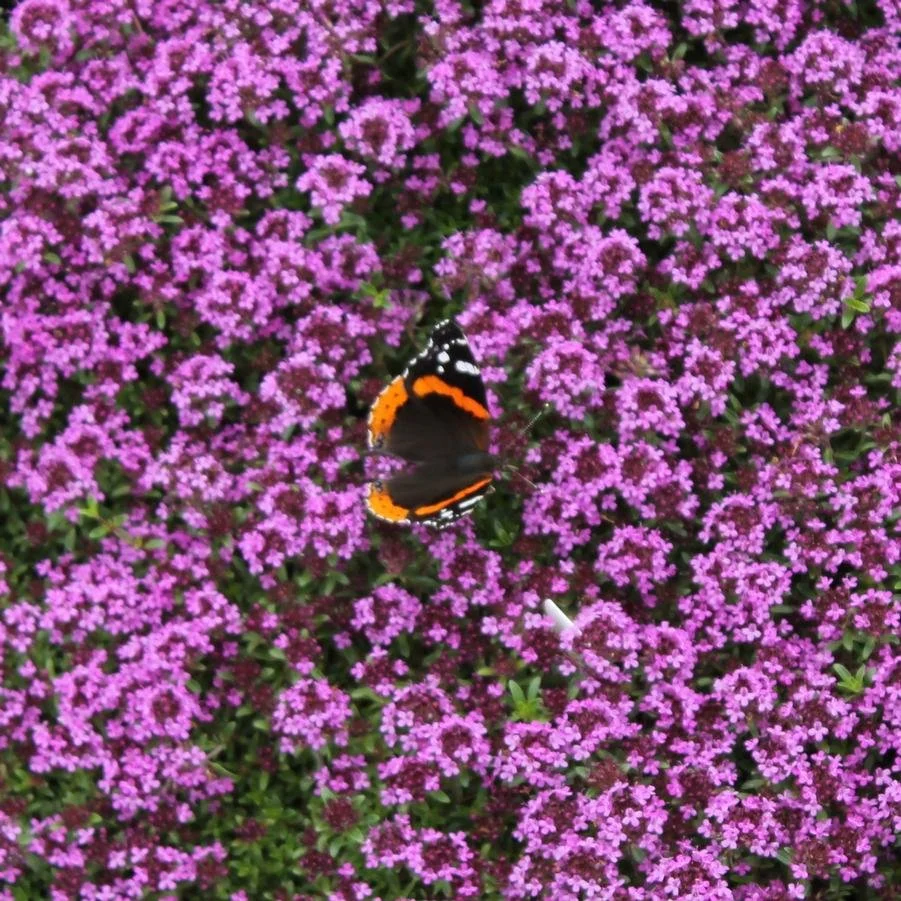

Creeping Thyme
Thymus praecox
A low, woody-based evergreen perennial with tiny, fuzzy, fragrant blue-green leaves and abundant small tubular flowers, usually pinkish-purple. It forms a dense, ground-hugging mat that roots as it spreads, making it a popular fragrant, walkable groundcover between pavers or in a rock garden. Included here as a supplemental ornamental choice rather than an ecological planting.
Why it's hereWeed-suppressing, foot-traffic-tolerant groundcover; general pollinator (bee) support, though not the specialized ecological value of the California natives on this list.
flowers june–september
Not a California native, but too useful to leave out, creeping thyme crawls and drapes beautifully, filling the gaps between flagstones and taller plants.
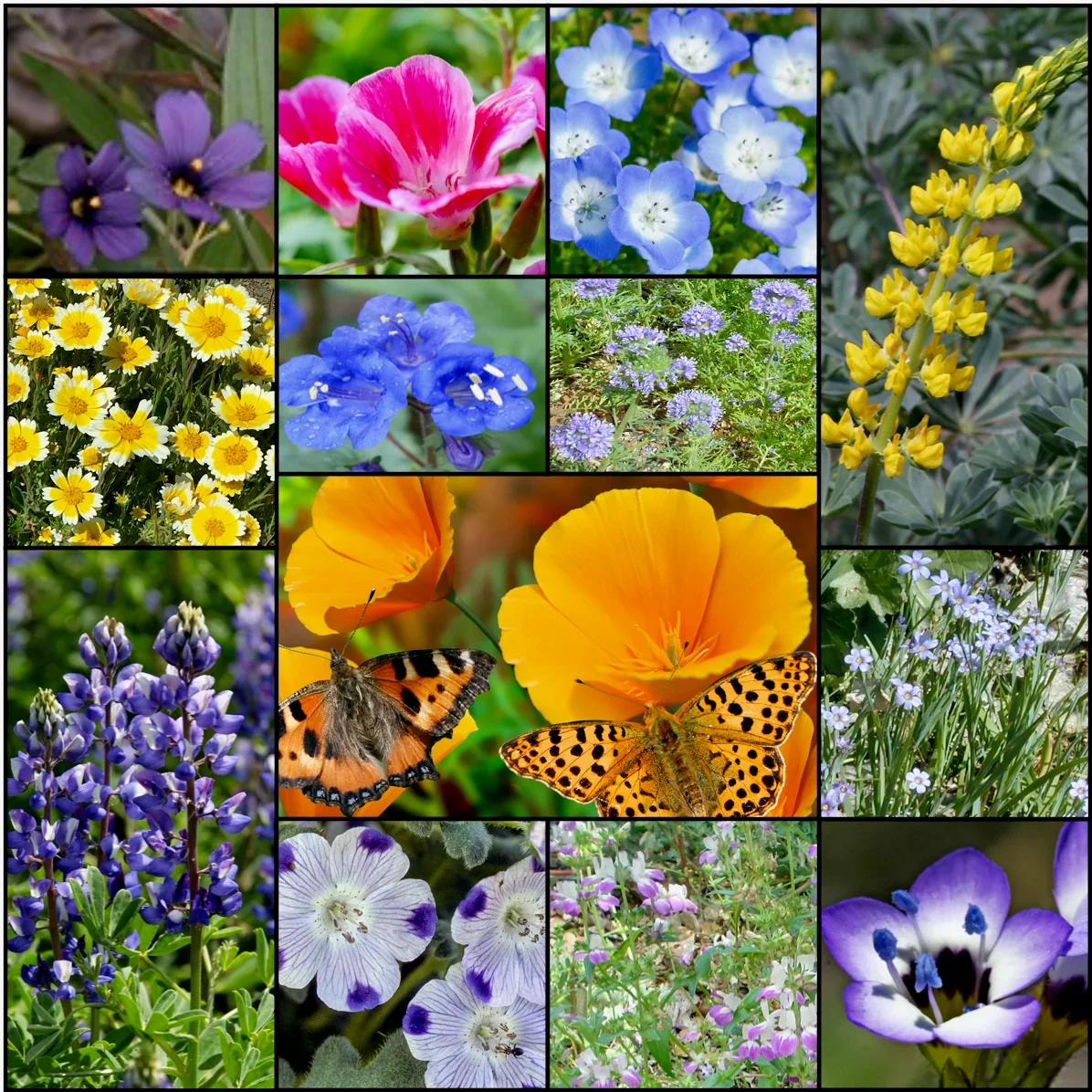

Flowering Annual Mix
Seed the soil between plantings with a diverse mix of native annual flowers for an easy way to fill space, hold moisture in the soil, and create a spectacular seasonal display.
Why it's hereAdds diversity to the garden, encouraging a healthier local population of mammals and insects.
blooms march–june, mostly dormant by summer
Many of these self-seed reliably, and they're perfect for cut-flower bouquets and pressings. Something different comes up every year. A few personal favorites: clarkia, five-spot (Nemophila maculata), delphinium, and bird's-eye gilia (Gilia tricolor).