Jordan Echeverría-Tate
-
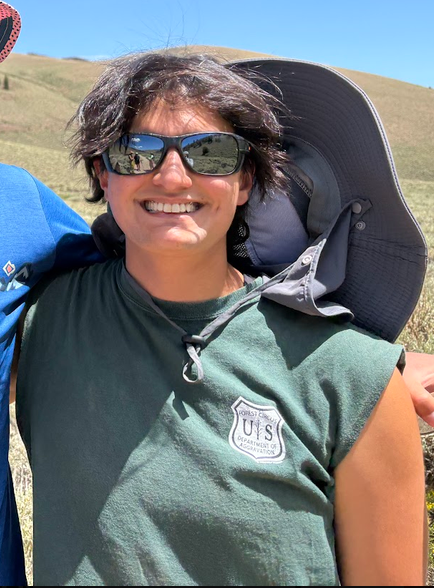
![Nonbinary person with short curly hair wearing sunglasses, a green sleeveless shirt with a U.S. Forest Service logo, smiling outdoors in a grassy, hilly landscape.]()
GLORIA Fellow and Botanist/Surveyor [2026]
Conducted high-altitude surveys of rare alpine plant communities in the White Mountains of California.
Implemented the GLORIA resurvey protocol to collect scientifically sound, long-term data.
Rapidly developed proficiency with identification and classification of native grasses, shrubs, and forbs.
-
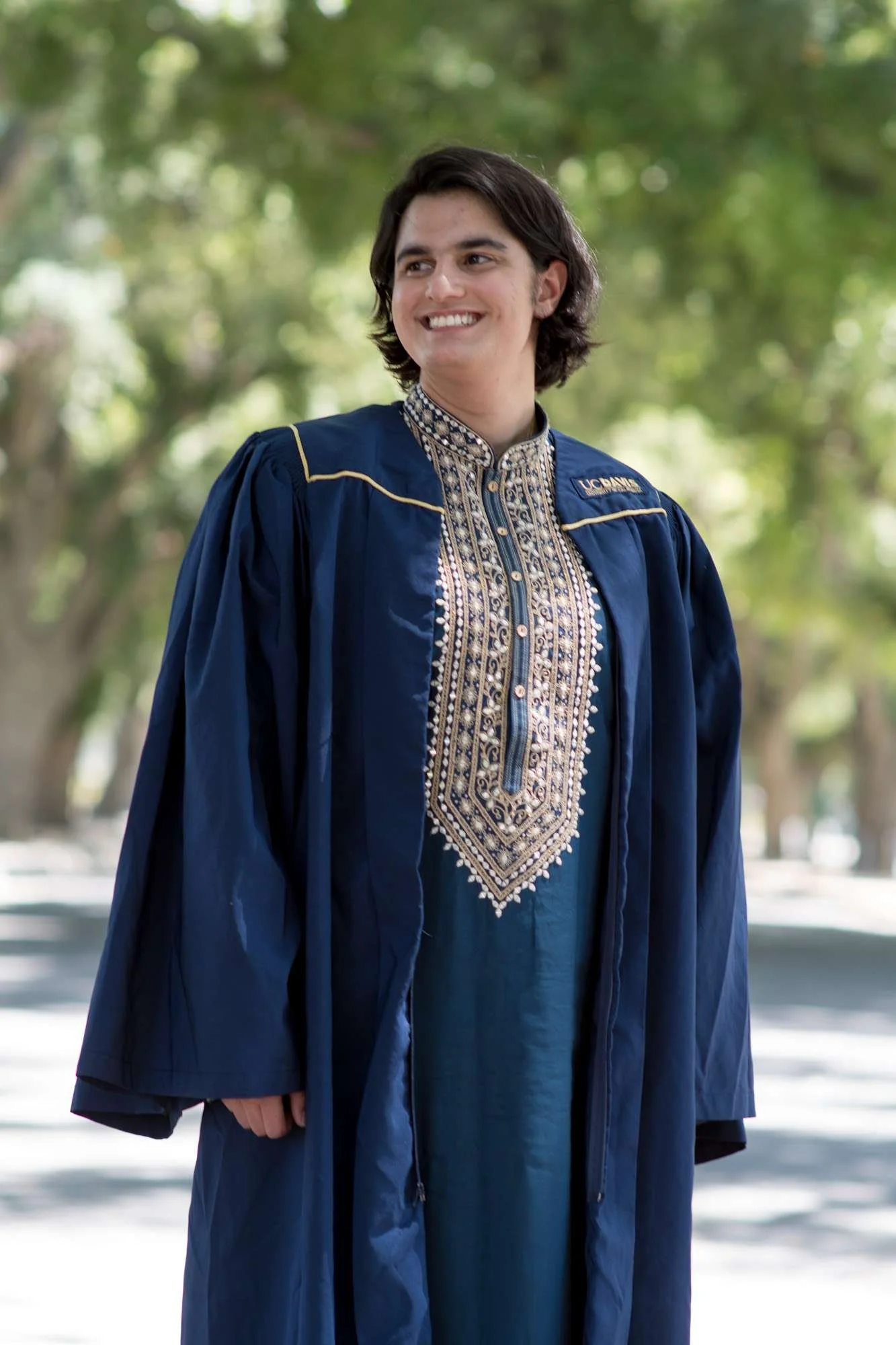
![Young person in a blue UC Davis graduation gown and traditional indian kurta, smiling, outdoors with green trees in the background.]()
B.S. Plant Science - UC Davis [2022-2025]
I received my bachelors in Plant Science and Ecology in 2025 from UC Davis. I focused my research on fire science and serpentine grassland restoration.
-
![Title slide of a presentation with the text 'Broadening our Academic Portfolio', and a subtitle about establishing the adoption of 'Ethics in the Plant Sciences' as a seminar, by Jordan Tate and B'Elanna Pho.]()
Instructor and Course Developer [2024-2026]
For over 2 years, I worked to develop, pitch, and eventually teach an upper-division undergraduate seminar titled “Ethics in the Plant Sciences”.
-
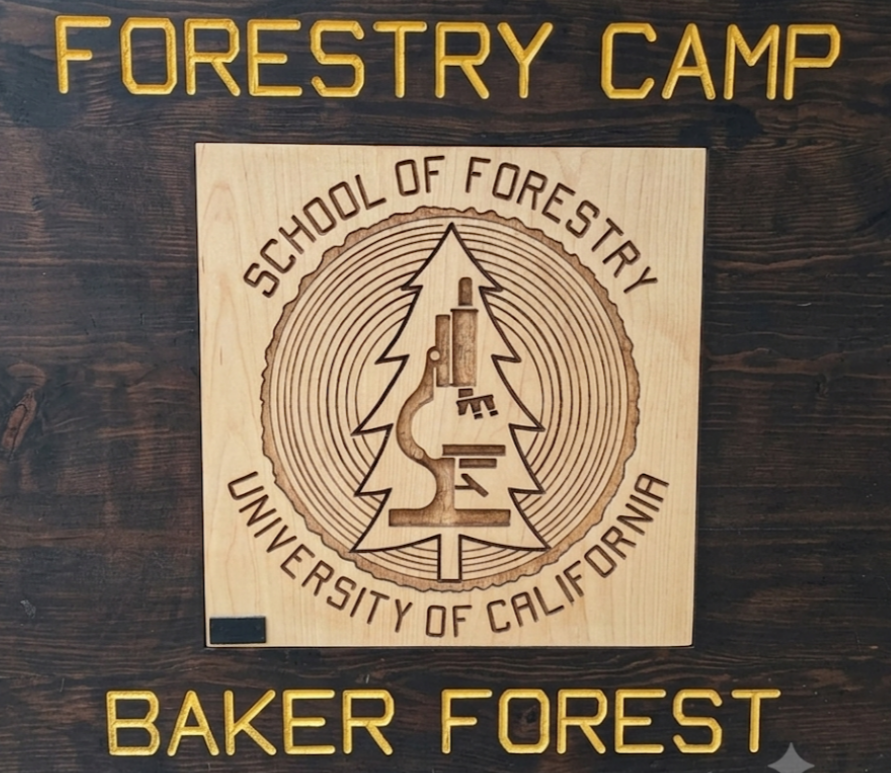
![Wooden plaque with the logo of the School of Forestry at the University of California, featuring a tree silhouette and a microscope, and surrounded by concentric circles. Golden text at the top reads "Forestry Camp" and at the bottom "Baker Forest" in gold lettering.]()
UC Berkeley Reforestation Camp [2026]
Attended a UC NRS + ANR intensive reforestation camp.
Developed skills in ecological and archeological surveys.
Learned USFS reforestation, survey, and seed collection protocols.
-
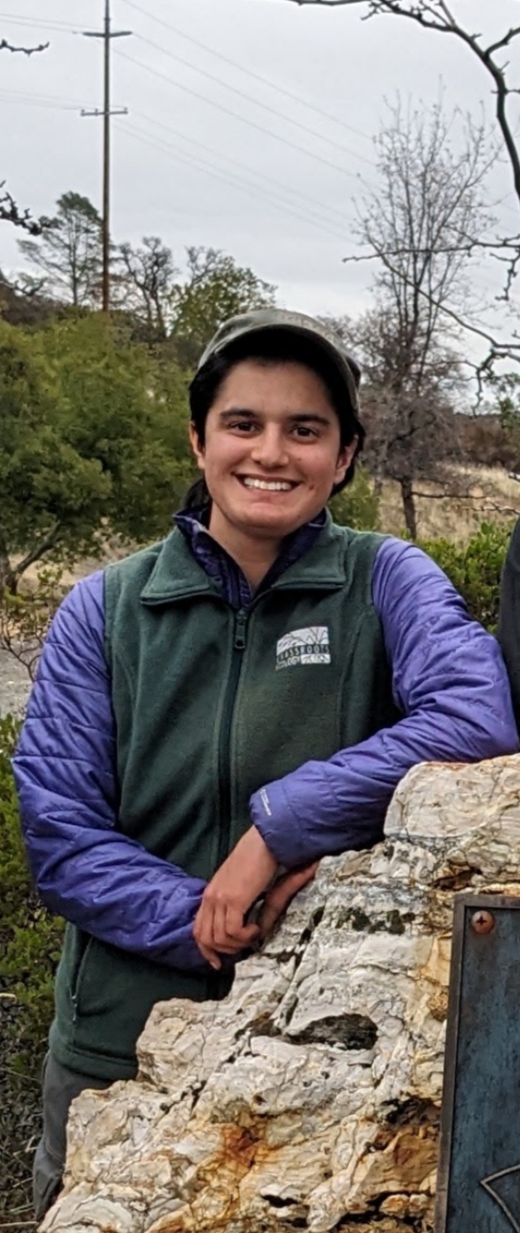
![Young person smiling outdoors, wearing a dark green vest over a purple jacket, with trees and power lines in the background.]()
Dept. of Plant Science - Funk Lab [2022-2024]
Conducted ecological data collection across California and Southern Oregon.
Maintained and managed greenhouse specimens, bulk plant materials, and propagations.
Designed and built a custom survey tool, reducing data collection time by ~40% and improving accuracy.
-
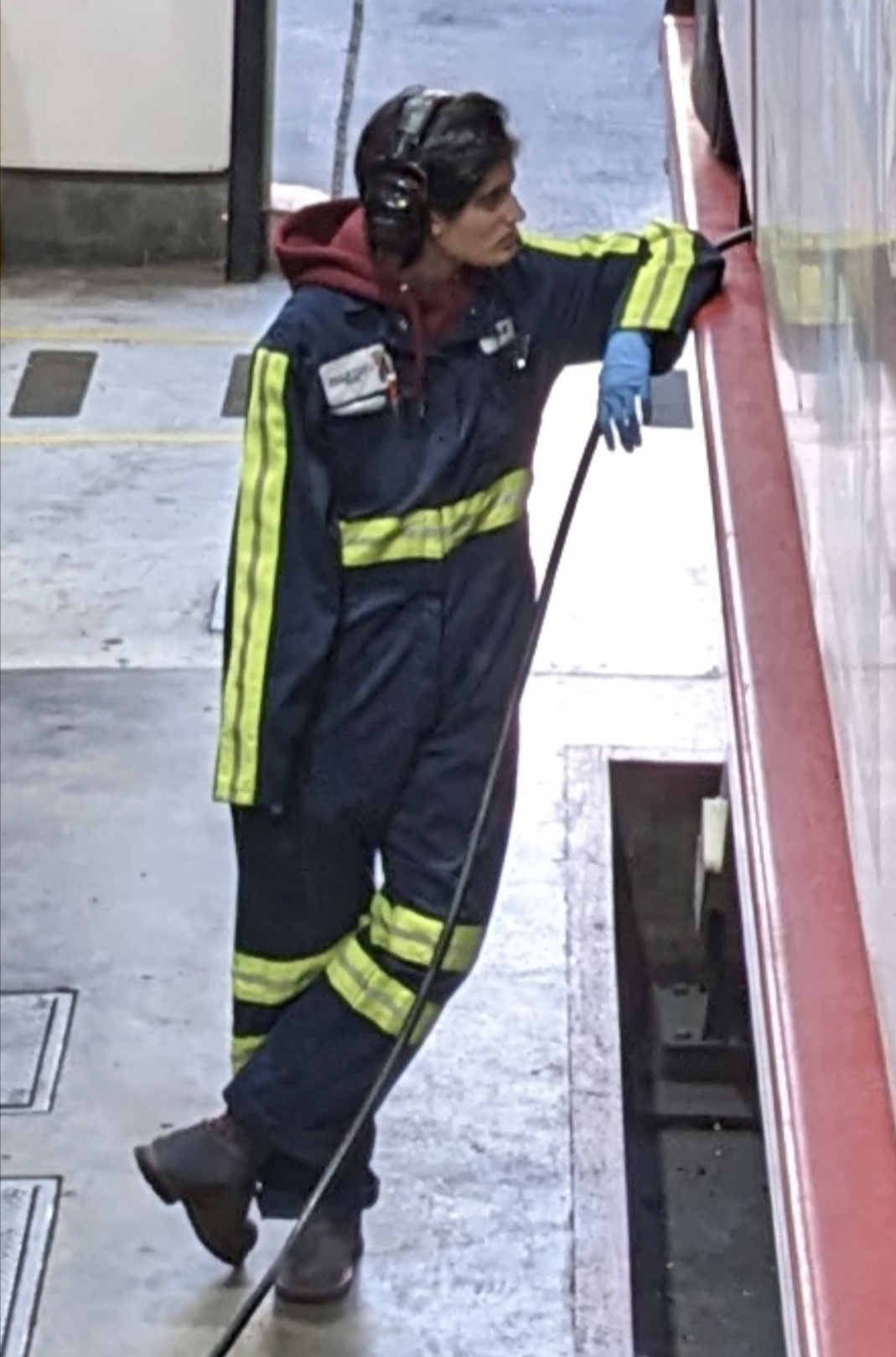
![A person with short dark hair stands in a repair shop, leaning against a bus lift, wearing blue coveralls with reflective stripes, blue nitrile gloves, and ear protection.]()
Unitrans, UC Davis [2022-2024]
Received Special Recognition of Outstanding Performance (2023–2024).
Performed scheduled and emergency maintenance and repairs on heavy fleet vehicles, including city buses, fire engines, and passenger vans.
Maintained an extensive, detailed parts inventory with zero losses.
Mentored and trained junior mechanics on shop duties, safety protocols, and tool handling.
Ensured fleet compliance with state, federal and UC safety regulations.
-
![Logo for Grassroots Ecology featuring a green background with white plant roots and flowers, and green and purple text. The grass depicted is Purple Needlegrass.]()
Grassroots Ecology - Habitat Restoration Intern [2021-2022]
Performed extensive habitat restoration work, including bulk planting, creating berms, and installing erosion control measures.
Designed and implemented plans for 2 restoration sites, with attention to ecological function, human interaction, and long-term care.
Trained and led volunteer groups of 15-25 people in habitat restoration practices, field safety, and plant identification.
Collected, processed, and propagated native plants from seed/cuttings.
Monitored nursery collections for Phytophthora and other pathogens; enforced sanitization protocols.
Inventoried, repaired, and maintained field and first aid equipment.

Coursework
Wetland Ecology [2025]
Course Description: Ecology of wetlands, including wetland formation and physical factors, types of wetland ecosystems, and restoration, law, and climate change. Design, implement, and analyze a study into benthic and pelagic macroinvertebrates.
Systematics and Floristics of California Plant Families [2025]
Course Description: Diversity, phylogeny, and taxonomy of lycophytes, ferns, and seed plants (gymnosperms and angiosperms), emphasizing relationships and distinguishing characteristics of families and genera represented in the California flora. Principles and methods of phylogeny reconstruction, classification, and plant nomenclature. Extensive practice identifying plants to species using taxonomic keys, primarily the Jepson manual.
Grassland Ecology [2025]
Course Description: Comprehensive survey of grassland ecology including distributions of major grassland types; systematics; morphology, physiology, and diversity of grassland species; population, community, and ecosystem processes occurring in grasslands; the role of grazing, fire, and drought in grasslands; management and conservation.
Fire Ecology [2024]
Course Description: Fire regimes and roles in major North American vegetation types, especially in the west. Physics of fire, fire effects on organisms and ecosystem functioning, reconstructing fire histories, fire in resource management, and fire use by indigenous people.
Restoration Ecology and Laboratory [2024]
Course Description: Broad, interdisciplinary approach to effective restoration. Design and implementation of restoration projects based on principles of physiology, population, community, ecosystem and landscape ecology. Design, implementation, and analysis of ecological monitoring of a site, followed by design of a restoration project for the site through work in lecture. Weekly field trips and classroom training on monitoring design and analysis.
Trees and Forests [2024]
Course Description: Biological structure and function of trees as organisms; understanding of forests as communities and as ecosystems; use of forests by humans; tree phenology, photosynthesis, respiration, soil processes, life histories, dormancy, forest biodiversity, and agroforestry.
Taxonomy and Ecology of Environmental Plant Families [2024]
Course Description: Classification and identification of introduced and native species used in urban forests, with emphasis on floral and vegetative characteristics of the prominent families of angiosperms and gymnosperms, adaptations to environmental variations in western landscapes, and horticultural classification.
California Plant Communities [2023]
Course Description: Ecology, distribution, and species of California's plant communities. Environmental forces that determine these communities, the threats they face, and their conservation and restoration opportunities.
Horticulture and Ecology of Environmental Plant Families [2023]
Course Description: Classification and identification of introduced and native species used in urban forests, with emphasis on floral and vegetative characteristics of the prominent families of angiosperms and gymnosperms, adaptations to environmental variations in western landscapes, and horticultural classification.
Botany and Physiology of Cultivated Plants [2023]
Course Description: Holistic introduction to the underlying botanical and physiological principles of cultivated plants and their response to the environment. Includes concepts behind plant selection, cultivation, and utilization. Laboratories include discussion and interactive demonstrations.
Principles of Soil Science [2023]
Course Description: Soil as part of natural and managed ecosystems and landscapes. Solid, liquid, and gas phases and their interactions in the soil. Water, gas and heat movement in soil. Soil biology, chemistry, mycology. Plant nutrient acquisition and use. Soil development, management and use.
Metabolism, Growth, and Environmental Interactions of Cultivated Plants [2022-2023]
Course Description: Comprehensive study of plant metabolic processes, growth and development, and environmental interactions with emphasis on cultivated plants. Covers principles of physiology and resource conversion, as well as cellular mechanisms of plant growth, and biochemical responses to environmental factors. Laboratory components include hands-on techniques for studying plant physiology using specialized instruments. Studies of plant growth regulators, enzyme kinetics, and ripening and flowering conditions with a focus on practical applications in cultivated plants.